The Impact of Global Politics on Travel: A Look at the Latest Developments and Changes
In today’s interconnected world, global politics significantly influences the way people travel. From visa regulations to travel bans, diplomatic relations between countries can shape the ease or difficulty with which one can explore the globe. As we navigate through an era marked by geopolitical shifts, it is crucial to understand how these changes impact the travel industry and individual travelers. This article delves into the latest developments in global politics and their effects on travel.
The Interplay Between Politics and Tourism
Tourism is not just about leisure and exploration; it is also a powerful economic driver that can be significantly affected by political decisions. Countries often use tourism to bolster their economies, yet political tensions can lead to a decline in tourist numbers. For example, World Travel Awards highlights how nations strive to cultivate tourism for economic gain, while political instability can deter travelers.
Visa Policies and Travel Restrictions
One of the most immediate ways global politics affects travel is through visa policies and travel restrictions. Changes in visa requirements can either open up a destination to more tourists or restrict access. For instance, the European Union’s Schengen Zone offers seamless travel across multiple countries, a policy that relies heavily on diplomatic agreements between member states. Conversely, political tensions can lead to stricter visa requirements, as seen in the United States’ travel ban on certain countries, which has been a topic of much debate and legal scrutiny.
Diplomatic Relations and Travel Freedom
The strength of diplomatic ties between countries can directly influence travel freedom. Positive relations often lead to relaxed travel policies and increased connectivity through direct flights. For example, the normalization of relations between Israel and several Arab states has opened new travel routes and tourism opportunities, a change that would have been unimaginable a few years ago. According to UNWTO, such diplomatic breakthroughs can lead to a boom in tourism, benefiting both visitors and host countries.
Safety Concerns and Political Stability
Political stability is a significant factor that travelers consider when choosing their destinations. Countries experiencing political unrest or violence see a sharp decline in tourism, as safety becomes a priority for travelers. For example, regions with ongoing conflicts often find their tourism sectors crippled, affecting the livelihoods of those who rely on this industry. The rise of terrorism-related incidents has also led to heightened security measures at airports worldwide, impacting the travel experience.
The Role of International Organizations
International organizations play a crucial role in mediating the impact of global politics on travel. Organizations such as the International Air Transport Association (IATA) work to ensure that political decisions do not adversely affect the global aviation industry. These organizations often lobby for policies that facilitate smoother travel experiences while navigating the complexities of international relations.
Economic Sanctions and Their Effects on Travel

Economic sanctions are a tool used by countries to exert political pressure, and they often have ripple effects on travel. Sanctions can lead to a decrease in flights to and from the targeted nation, affecting both business and leisure travel. For instance, sanctions on Iran have resulted in reduced connectivity and increased travel costs, discouraging potential visitors and impacting the local tourism industry.
Technological Advancements and Their Political Implications
As technology advances, it also plays a role in how global politics affect travel. The use of biometric data for visas and border control is becoming increasingly common, with political implications on privacy and data security. Nations must balance the benefits of technology with the need to protect individual freedoms, a topic that is often at the forefront of political discussions.
Conclusion: Navigating the Political Landscape
In conclusion, the impact of global politics on travel is multifaceted and ever-evolving. Travelers and the tourism industry must remain adaptable to the changing political landscape, which can present both challenges and opportunities. By staying informed about the latest developments, travelers can make educated decisions about their destinations and travel plans. As the world continues to evolve, the relationship between global politics and travel will remain a critical area of interest for policymakers, industry leaders, and travelers alike.
For those eager to explore the impact of politics on travel further, resources such as The World Factbook provide valuable insights into the geopolitical dynamics affecting global travel.
Case Studies: Real-world Examples of Political Impact on Travel
Examining specific instances where global politics have directly influenced travel provides valuable insights into the broader trends. One such example is the political situation in Venezuela, which has led to severe economic instability and safety concerns, resulting in a dramatic decrease in international visitors. Airlines have reduced flights to the country, and travel advisories have been issued by various governments, discouraging travel to the region.
Another case is the United Kingdom’s decision to leave the European Union, commonly referred to as Brexit. Although not fully realized yet, Brexit has led to uncertainties about travel regulations, visa policies, and border control, affecting both UK citizens traveling to EU countries and vice versa. The UK government provides ongoing updates to help travelers navigate these changes.
Cultural Exchanges and Soft Power
While politics can sometimes hinder travel, it can also facilitate cultural exchanges through soft power initiatives. Countries invest in promoting their culture abroad to build goodwill and influence, often through tourism campaigns. For instance, Japan’s “Cool Japan” initiative aims to export Japanese culture globally, attracting tourists interested in its unique cultural offerings. These efforts can enhance a country’s image and attract visitors despite any political tensions.
The Future of Travel in a Politically Charged World
Looking ahead, the travel industry must prepare for a future where political issues continue to play a significant role. This might involve more robust crisis management strategies to deal with sudden political changes, such as travel bans or diplomatic disputes. Innovation in travel technology and the use of data analytics can help the industry predict and respond to these challenges more effectively.

Moreover, as climate change becomes an increasingly pressing issue on the political agenda, sustainable travel practices are likely to gain more attention. Governments may implement policies that encourage eco-friendly travel, which could reshape how and where people travel in the future.
Conclusion: Staying Informed and Prepared
Ultimately, understanding the impact of global politics on travel is essential for anyone involved in the travel industry or planning to travel internationally. By staying informed and adaptable, travelers can navigate the complexities of this ever-changing landscape. Initiatives such as international travel forums and partnerships between governments and the private sector can help mitigate the challenges posed by global politics while promoting a more connected and peaceful world.
For further exploration of how politics and travel intersect, consider engaging with resources like the Travel + Leisure website, which offers insights into the latest trends and developments in the travel industry.
Travel Industry Adaptations to Political Changes
In response to the challenges posed by global politics, the travel industry has had to innovate and adapt swiftly. Travel agencies, airlines, and hospitality businesses are increasingly utilizing advanced technology and flexible policies to accommodate sudden political shifts. For example, many airlines now offer more flexible booking options and fare protections to allow travelers to adjust their plans in response to unexpected political events or travel advisories.
Additionally, travel insurance has become a crucial service for many travelers, providing coverage for unforeseen political disruptions. Insurance companies have expanded their offerings to include coverage for events like political evacuations and trip cancellations due to government action, offering travelers peace of mind in uncertain times.

Political Influences on Travel Trends
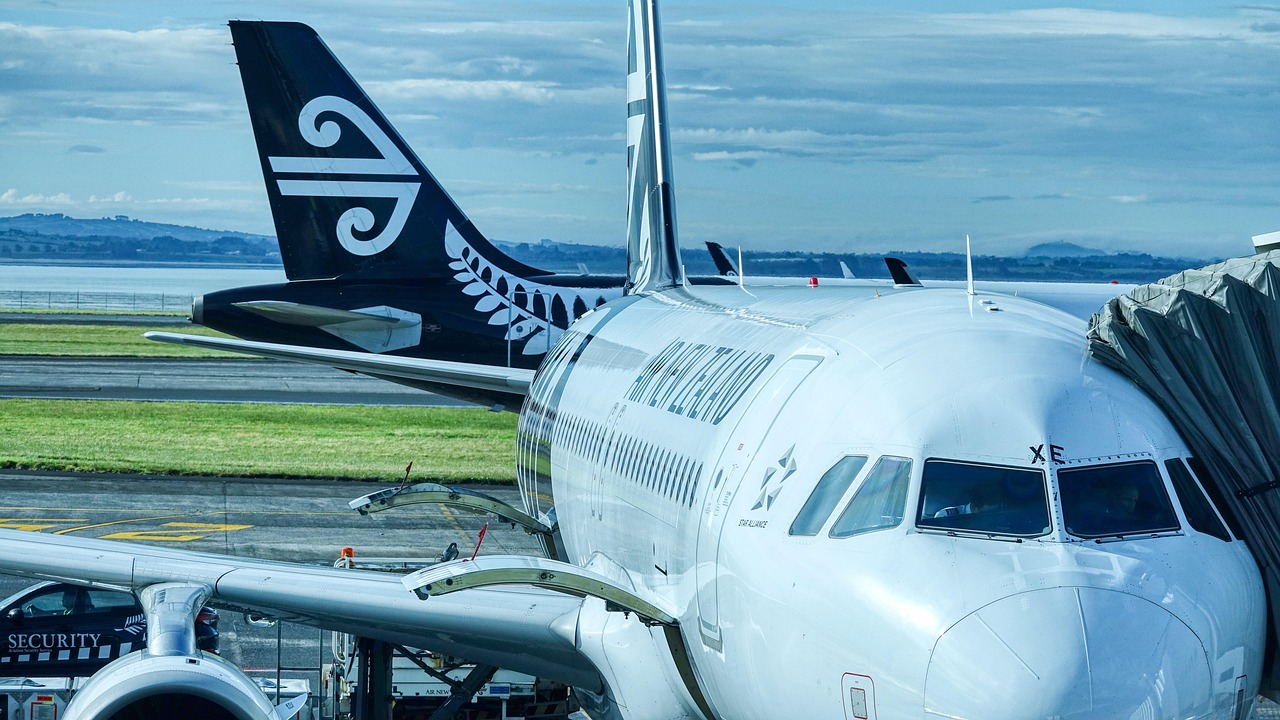
Global politics not only affect the logistics of travel but also influence travel trends and destinations’ popularity. Political stability and progressive policies often attract tourists looking for safe and welcoming environments. Countries that have successfully managed their international image and relations, such as New Zealand and Canada, often see a boost in tourism, as they are perceived as politically stable and traveler-friendly destinations.
Conversely, destinations experiencing political upheaval or negative international perceptions may see a decline in tourist numbers. However, some travelers are drawn to destinations with complex political histories, eager to understand and engage with local issues. This trend highlights a growing segment of travelers who seek meaningful and immersive experiences, often referred to as “political tourism.”
Conclusion: Embracing a Dynamic Travel Landscape
As we continue to witness the profound impact of global politics on travel, it is evident that the industry and travelers alike must remain agile and informed. By embracing innovation, fostering international cooperation, and promoting cultural understanding, the travel sector can navigate the complexities of political influences. This dynamic landscape presents both challenges and opportunities, encouraging a more resilient and adaptable approach to global travel.
For individuals and businesses looking to thrive in this environment, staying informed about political developments and understanding their implications for travel will be crucial. Engaging with comprehensive resources such as the World Travel & Tourism Council (WTTC) can provide valuable insights and guidance as the interplay between global politics and travel continues to evolve.
About the Author